
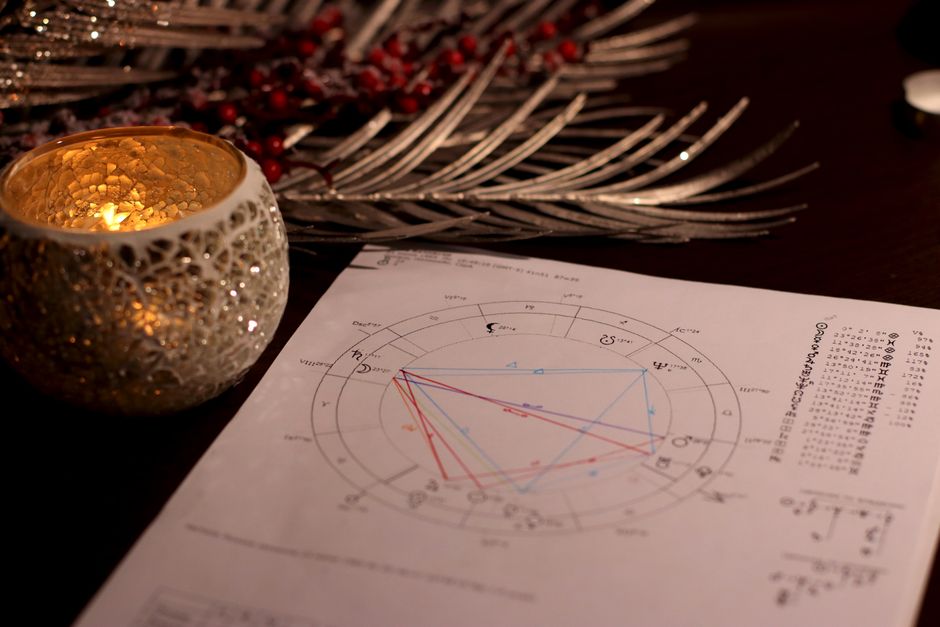
A natal chart is a snapshot of the sky at the exact moment of your birth, mapping the positions of the Sun, Moon, planets, and key angles. In my practice, I’ve seen how understanding your natal chart can illuminate patterns in personality, relationships, and life purpose. In this guide to the natal chart, you will learn how to calculate your chart, interpret signs and houses, and apply this knowledge with actionable steps. By the end, you’ll hold a clear view of your unique cosmic blueprint and know how to work with it in day-to-day life.
What Is a Natal Chart?
Definition and Origin
The concept traces to Hellenistic astrologers around the 2nd century BCE, who cast horoscopes to forecast an individual’s fate. Later, medieval Islamic scholars preserved and expanded these techniques. In my readings, I often reference Ptolemy’s Tetrabiblos and William Lilly’s Christian Astrology for foundational methods.
Components of the Natal Chart
A complete natal chart includes:
- Planets: Celestial bodies representing inner drives (e.g., Moon for emotion).
- Signs: The zodiac sector each planet occupies, coloring its expression (Aries to Pisces).
- Houses: Twelve life areas, from self-image (1st House) to endings (12th House).
- Aspects: Angular relationships (conjunction, square, trine) denoting harmony or tension.
Each component layers meaning; the aggregation forms your natal chart’s voice.
Why Your Natal Chart Matters
When I analyze a chart with Moon in Scorpio in the 8th house opposite Uranus, it often signals deep emotional intensity paired with sudden life changes. Clients who understand this aspect learn to navigate power and transformation rather than fear upheaval. By comprehending your natal chart, you gain insights into recurring patterns, hidden talents, and potential pitfalls.
Modern vs. Traditional Approaches
Modern psychological astrology (e.g., Liz Greene and Steven Forrest) emphasizes growth and free will, whereas traditional systems often predicted events. In Vedic Jyotish, B.V. Raman’s works focus on karmic timing through dasha periods. I integrate both: using modern nuance for personality and timing techniques for forecasting.
How to Calculate Your Natal Chart?

Gathering Exact Birth Data
First, you need your birth date, time (ideally to the minute), and location (city, country). A discrepancy of 5 minutes can shift house cusps, altering interpretations. I instruct clients to consult birth certificates or hospital records for accuracy.
Using Online Tools and Software
- Visit a reliable chart calculator like Astro.com.
- Create a free account and enter your birth data.
- Select the Placidus or Whole Sign house system as needed.
- Generate the chart wheel and ephemeris for analysis.
Most tools auto-calculate planetary positions to the second and provide an angle table of aspects.
Manual Calculation Basics
In Hellenistic practice, astrologers computed planetary longitudes using ephemerides tables and added house cusps via the ascendant formula. While software simplifies this, learning fundamentals offers deeper chart literacy. I teach astrology students how to convert local time to sidereal time and cast the ascendant by hand.
Choosing a House System
Placidus is default in many Western charts. Whole Sign offers simplicity: each sign equals one house. I find that clients resonate better with Whole Sign when exploring natal psychology, whereas predictive work often uses Koch or Porphyry.
How to Read Your Natal Chart

Step 1: Identify the Rising Sign and Chart Ruler
Your rising sign marks the first house cusp. If Gemini rises, Mercury is your chart ruler. I note in sessions how this planet’s sign and house placement serve as a focal lens for your life story. For example, Mercury in Capricorn in the 10th house suggests a career built on communication and structure.
Step 2: Locate the Sun and Moon
The Sun indicates core identity; the Moon reveals the emotional landscape. A client with Sun in Leo in the 5th house typically thrives on creative self-expression, while Moon in Virgo in the 12th house might internalize feelings and crave solitude. Charting these luminaries illuminates fundamental drives.
Step 3: Note Major Aspects
Conjunctions blend energies; squares demand resolution; trines facilitate flow. In my practice, I see a Sun square Saturn often manifests as self-doubt that, once acknowledged, becomes structured ambition. I guide people to apply Saturn’s discipline to boost rather than block the ego.
Step 4: Observe Planetary Patterns
Stelliums (three or more planets in one sign/house) intensify that area. A Cancer stellium in the 4th house can manifest as a home-centered psyche. Look also for T-squares and Grand Trines; these patterns create themes of challenge or ease.
Generate your personalized natal chart now and receive a detailed report of your key planetary placements.
Get Your Free ChartWhat Do the Planets Mean in a Natal Chart?

The Inner Planets: Personal Drives
| Planet | Role | Keywords |
|---|---|---|
| Sun | Core identity | Vitality, ego, purpose |
| Moon | Emotional nature | Needs, instincts, habits |
| Mercury | Communication | Thought, learning, logic |
| Venus | Attraction | Love, beauty, values |
| Mars | Action | Drive, aggression, energy |
Each of these inner planets completes an orbit within a year or two, focusing their influence on daily life and personal style.
The Social Planets: Group Dynamics
| Planet | Cycle Length | Themes |
|---|---|---|
| Jupiter | 12 years | Expansion, luck, philosophy |
| Saturn | 29 years | Structures, limitations, responsibility |
In my consultations, I highlight Jupiter’s placement for growth areas and Saturn’s for where clients need discipline.
The Outer Planets: Generational Forces
| Planet | Cycle | Influence |
|---|---|---|
| Uranus | 84 years | Innovation, rebellion |
| Neptune | 165 years | Ideals, dreams, illusions |
| Pluto | 248 years | Transformation, power |
Clients born close in time share generational puzzles: a Neptune-Pluto conjunction in the early 2000s speaks to collective shifts in digital consciousness.
Aspects Between Planets
- Conjunction: Merge energies—can be supportive or intense.
- Square: Internal friction—prompts growth through challenge.
- Trine: Natural talent—flows without effort.
- Opposition: Polarity—relational dance requiring balance.
How Does the Natal Chart Influence Personality, Relationships, and Career?
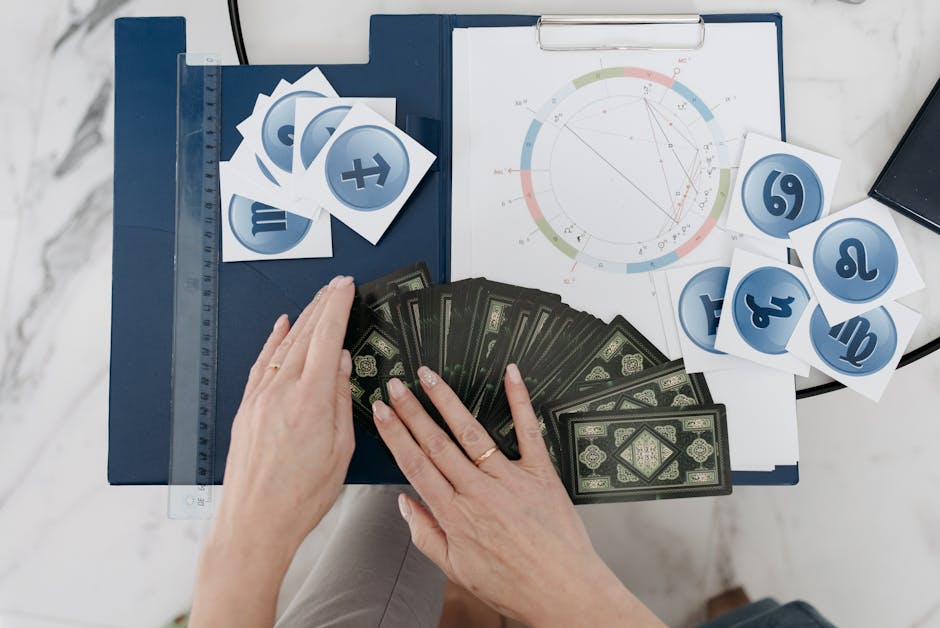
Personality Formation
In my practice, I’ve seen Mercury in Gemini paired with Mars in Leo produce quick wit with theatrical flair. The Sun and Moon shapes the “inner duo,” combining identity and feelings. For instance, a Scorpio Sun with a Gemini Moon toggles between intensity and curiosity.
Relationship Compatibility (Synastry)
Synastry overlays two natal charts. I note that Venus trine Mars between partners often sparks chemistry, whereas Saturn square Sun can feel restrictive. I encourage clients to view such hard aspects as opportunities for commitment and growth rather than deal-breakers.
Career and Vocation
The Midheaven (MC) and its ruler reveal career themes. An MC in Capricorn ruled by Saturn in the 6th house might excel in structured service roles—accounting, project management. I use career astrology reports to guide vocational decisions.
Life Transits and Progressions
Transits of outer planets to natal points signal major life changes. When progressed Moon returns to natal Sun, people often experience a shift in emotional focus. I plan timing around Jupiter return for expansion projects and Saturn return for solidifying mature structures.
Are Men’s and Women’s Natal Charts Different?

Core Principles Are Universal
A natal chart’s symbolism applies regardless of gender. A Libra rising woman and a Libra rising man both share a diplomatic approach to new situations. The chart speaks to psyche, not strictly gender roles.
Social Conditioning Overlay
However, culture influences how one expresses chart factors. A Mars in Aries man may find aggression more socially acceptable than a woman with the same placement. I discuss these nuances in sessions so clients differentiate between chart‐driven temperament and societal expectations.
Psychological vs Biological Sex
Modern astrology—drawing on the work of Liz Greene—focuses on psyche rather than anatomy. Two clients with identical charts but different gender identities may relate differently to planetary energies, and I tailor interpretations to each individual’s lived experience.
Case Example
Two friends, one male, one female, both born with Venus in Scorpio in the 7th house, experienced transformative partnerships. Yet, the woman described depth as a path to intimacy, whereas the man framed it as power dynamics. The underlying Venus/Scorpio theme held; expression varied.
Common Mistakes When Interpreting a Natal Chart

Ignoring House Rulerships
Many skip identifying chart ruler placements. Without noting that Libra rising’s ruler Venus in Sagittarius in the 9th house points to philosophical relationships, you miss key life themes.
Overlooking Minor Aspects
Quincunxes (150°) and semi-sextiles (30°) can represent adjustment points. In a client chart, Moon quincunx Uranus signaled emotional restlessness, which manifested as changing living situations every two years.
Forcing Stereotypes
Assigning “all Aries are selfish” ignores the complexity of aspects and house placements. I always contextualize signs within entire chart patterns to prevent clichés.
Neglecting Transits and Progressions
Reading the natal chart in isolation misses timing cues. A Grand Trine may lie dormant until Uranus transits ignite it. I integrate timing methods from both Western and Vedic systems for balanced forecasting.
How to Work with Your Natal Chart Energy

Set Intentions with Planetary Cycles
During your solar return (birthday chart), note recurring Sun/Mercury aspects for the year ahead. I guide clients to journal specific intentions aligned with these cycles for measurable progress.
Meditate on Challenging Aspects
This fosters conscious engagement rather than avoidance.
Use House Themes for Goal Setting
- Identify a house where you feel stuck.
- List practical actions related to that area (e.g., 6th house—improve routines).
- Track progress each lunar month to see shifts.
Continual Learning
Attend workshops, read key texts (Robert Hand’s Planets in Transit, B.V. Raman’s How to Judge a Horoscope) and practice chart analysis daily. I recommend peer chart exchanges to refine interpretation skills.
Frequently Asked Questions
What is a natal chart in astrology?
A natal chart is a map of planetary positions at your birth moment, revealing personality traits, life patterns, and potential growth areas.
How accurate is an online natal chart?
Accuracy depends on precise birth time and location. When you enter exact data into sites like Astro.com, positional data is correct to the minute.
Can I read my natal chart without a professional astrologer?
You can learn basics using books and online tutorials, but a professional brings depth, especially for complex patterns and timing techniques.
What’s the difference between sun sign and natal chart?
Your sun sign is one element of the natal chart. The full chart includes Moon, rising sign, all planets, houses, and aspects for a comprehensive view.
How often should I update my natal chart reading?
The natal chart itself never changes, but you can revisit interpretations periodically and track transits and progressions to apply new insights.
Are there free tools to analyze my natal chart?
Yes—Astro.com and AstroSeek offer free chart generation and basic interpretations, though deeper analysis often requires paid reports.
Conclusion

Understanding your natal chart equips you with a personalized roadmap for self-awareness, relationship dynamics, and career direction. As you apply the methods above—calculating your chart precisely, interpreting signs, houses, and aspects, and working with planetary cycles—you’ll unlock nuanced insights unique to your cosmic blueprint. Return to your chart regularly, track transits, and let each planetary cycle guide your growth.
Book a professional natal chart consultation with our experts and access advanced forecasting techniques.
Schedule Your ReadingBy exploring your natal chart, you engage in a lifelong dialogue with the sky—a conversation that enriches your understanding of self and place in the cosmos.
Author
Selfscan